Skip to content
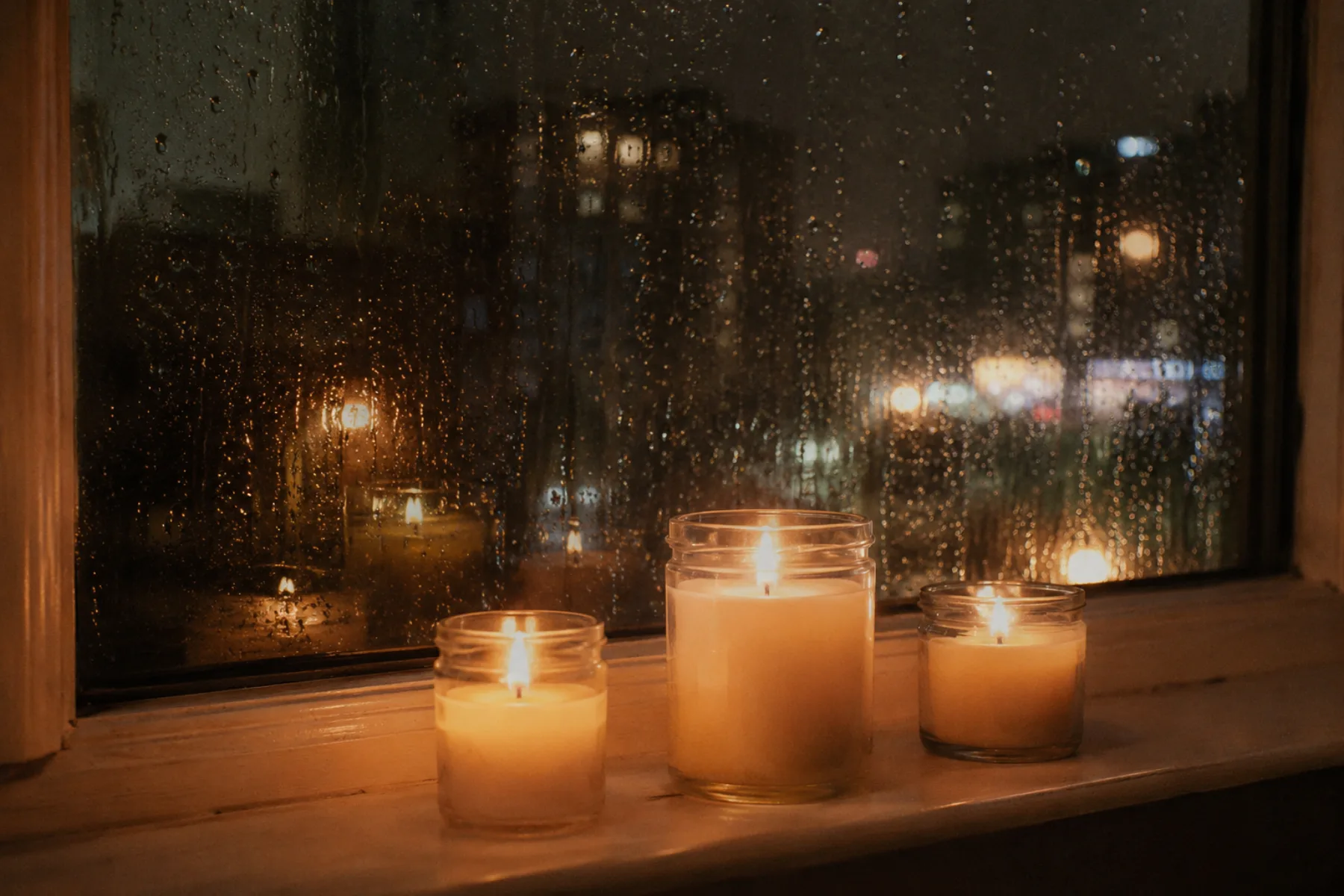
Lit candles in jars on a rainy night window ledge
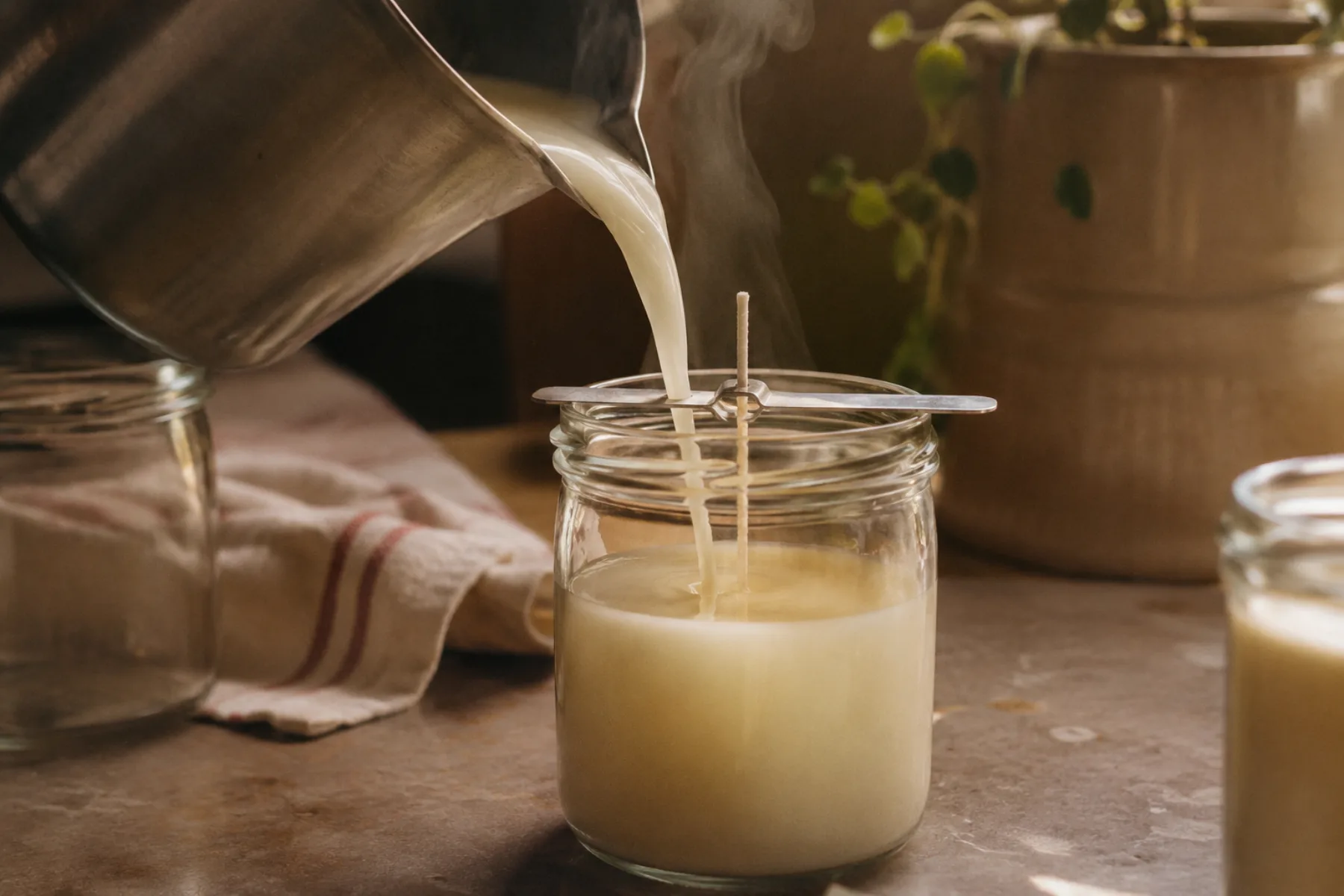
Cream wax being poured into a glass jar with a centred wick

Candle maker

Hand-poured candles, and how to make your own

I’m Carys. I pour candles at my kitchen table, and I sell guides, wick sheets and a batch log, plus two video courses for new candle makers.

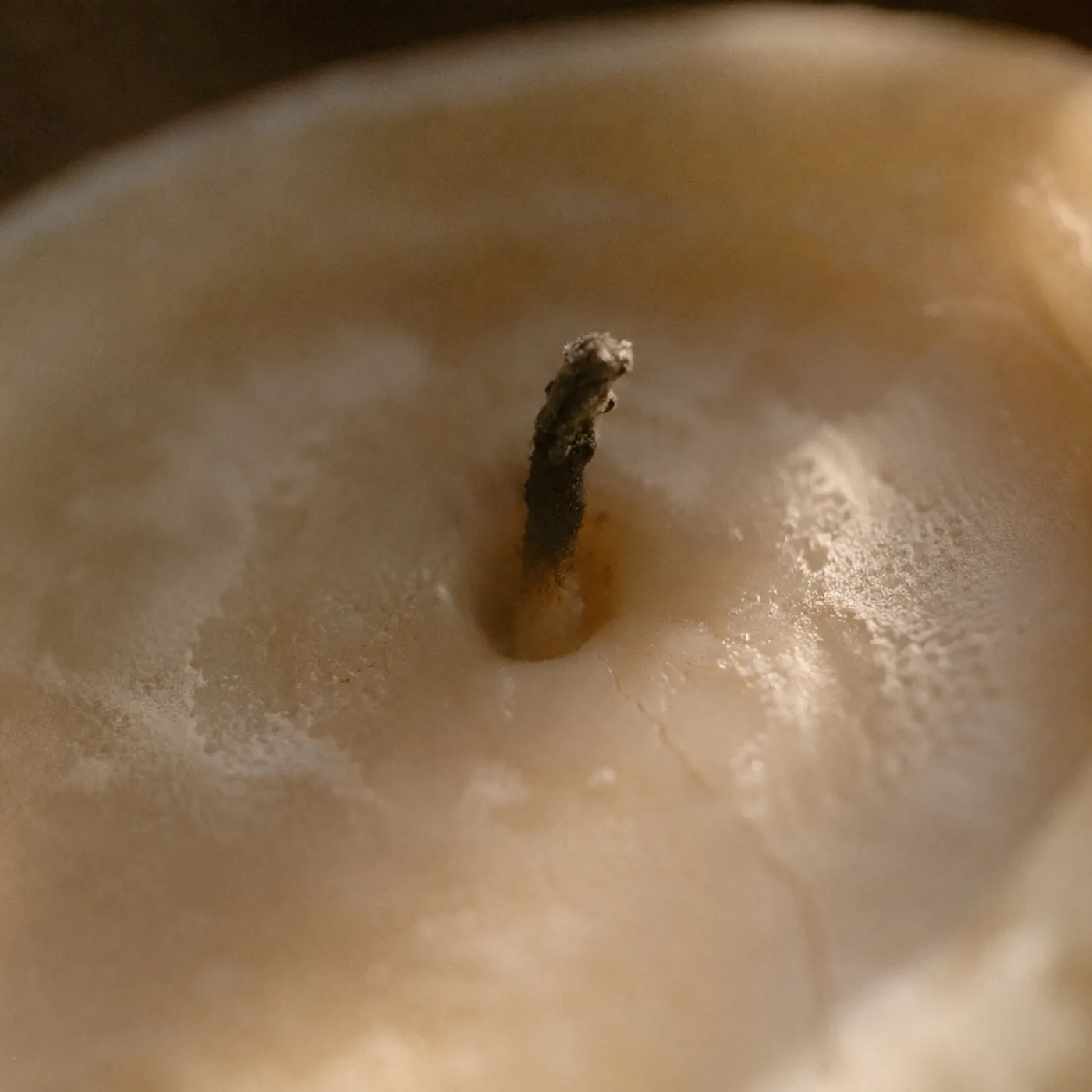
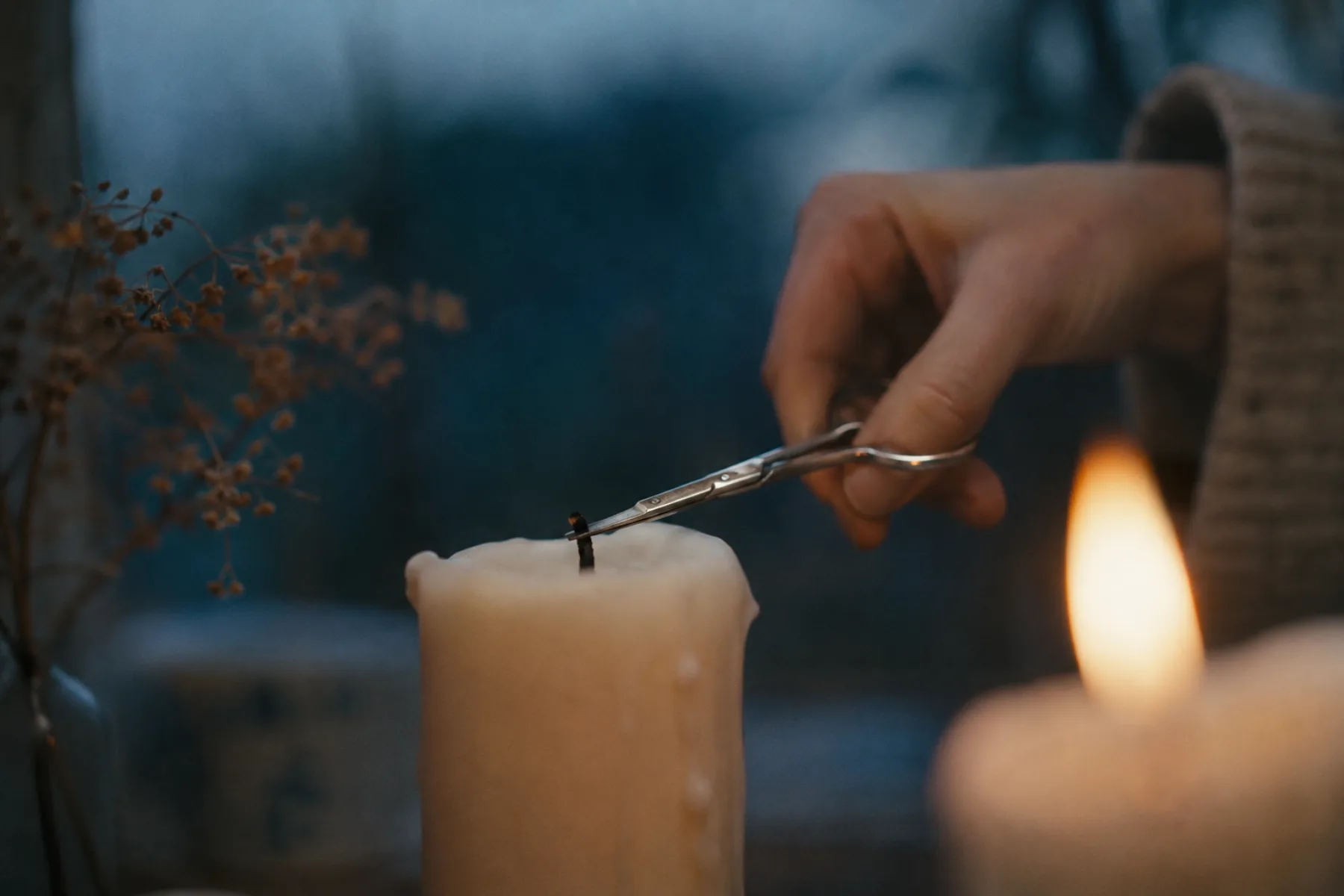
A hand trimming a candle wick with small scissors
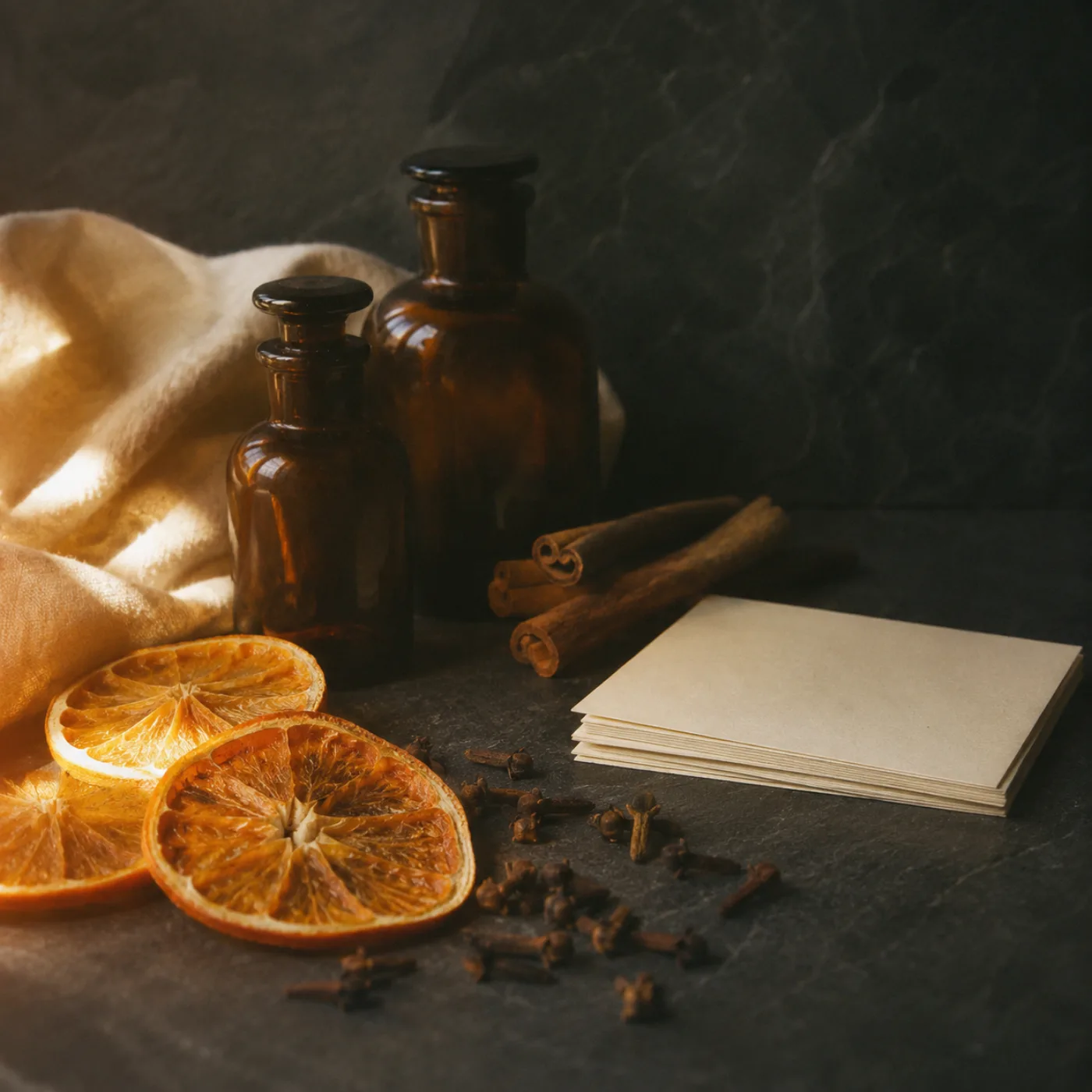
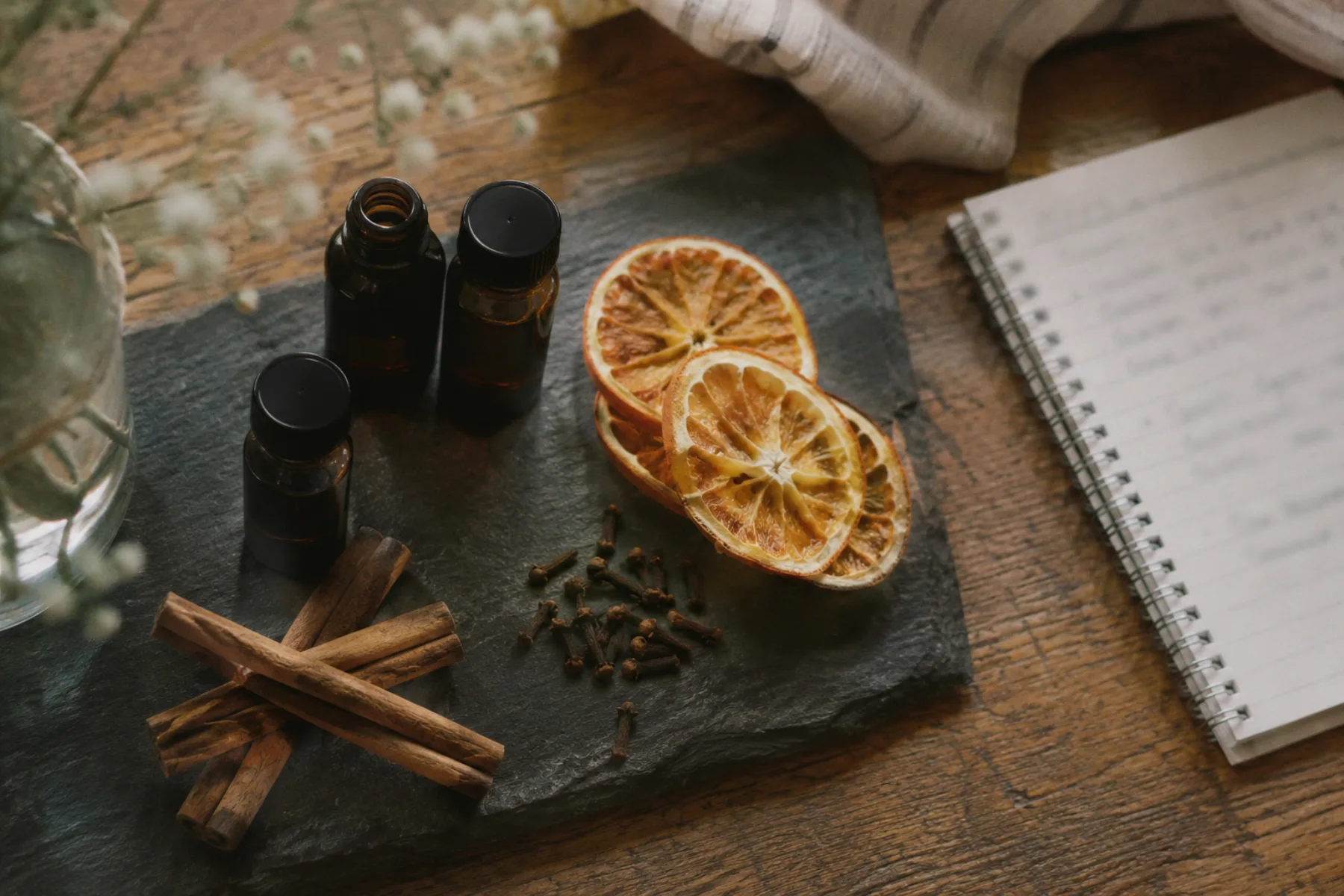
Glass bottles, dried oranges and spices on a slate board

a city by the sea,

Letter no. 58

Pouring at the right temperature

Cream wax being poured into a glass jar with a centred wick

Hello,

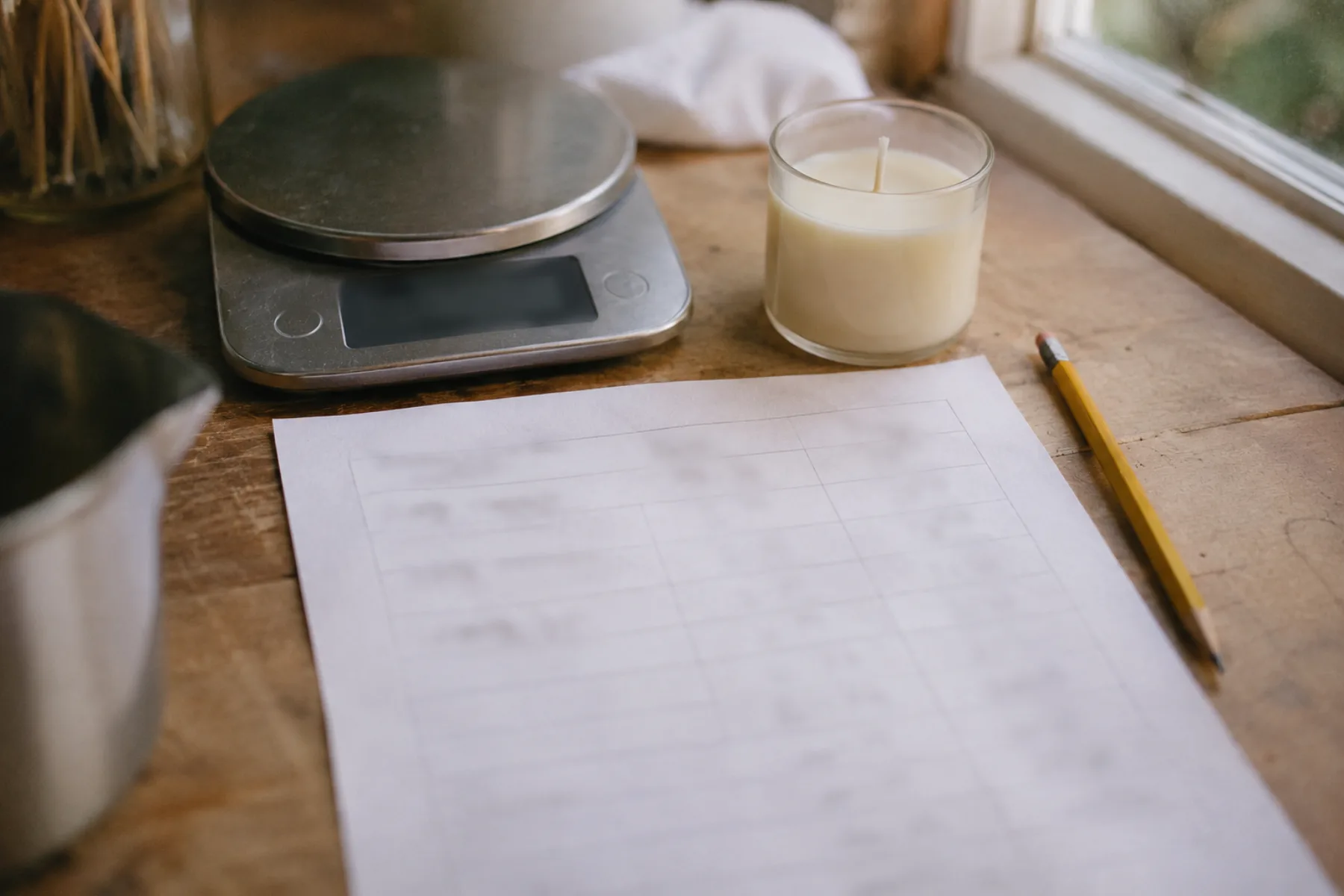
This week I poured twelve candles from the same batch of wax, at twelve slightly different temperatures. It was rainy, the window was misting up and my kitchen smelled like warm vanilla. I had a thermometer in the pot and a notebook beside it, and I poured one jar every two degrees as the wax cooled.

The first few jars, poured hot, came out with a shiny top but small cracks down the sides where the wax had pulled away from the glass. The last few, poured cool, were thick and slightly lumpy on top. The ones in the middle were the best, smooth all over, with a flat top and no cracks.

I do not think there is one perfect temperature. It changes with the wax, the jar and how cold your room is. What I do think is that you should find your own, once, and write it down. The log is the useful part, not the number.

Try it with three jars this week. Pour one hot, one cool and one in between, and keep the notes on a scrap of paper. Next Friday I will tell you what I learned about wicks from the same dozen.

Warmly,

Carys

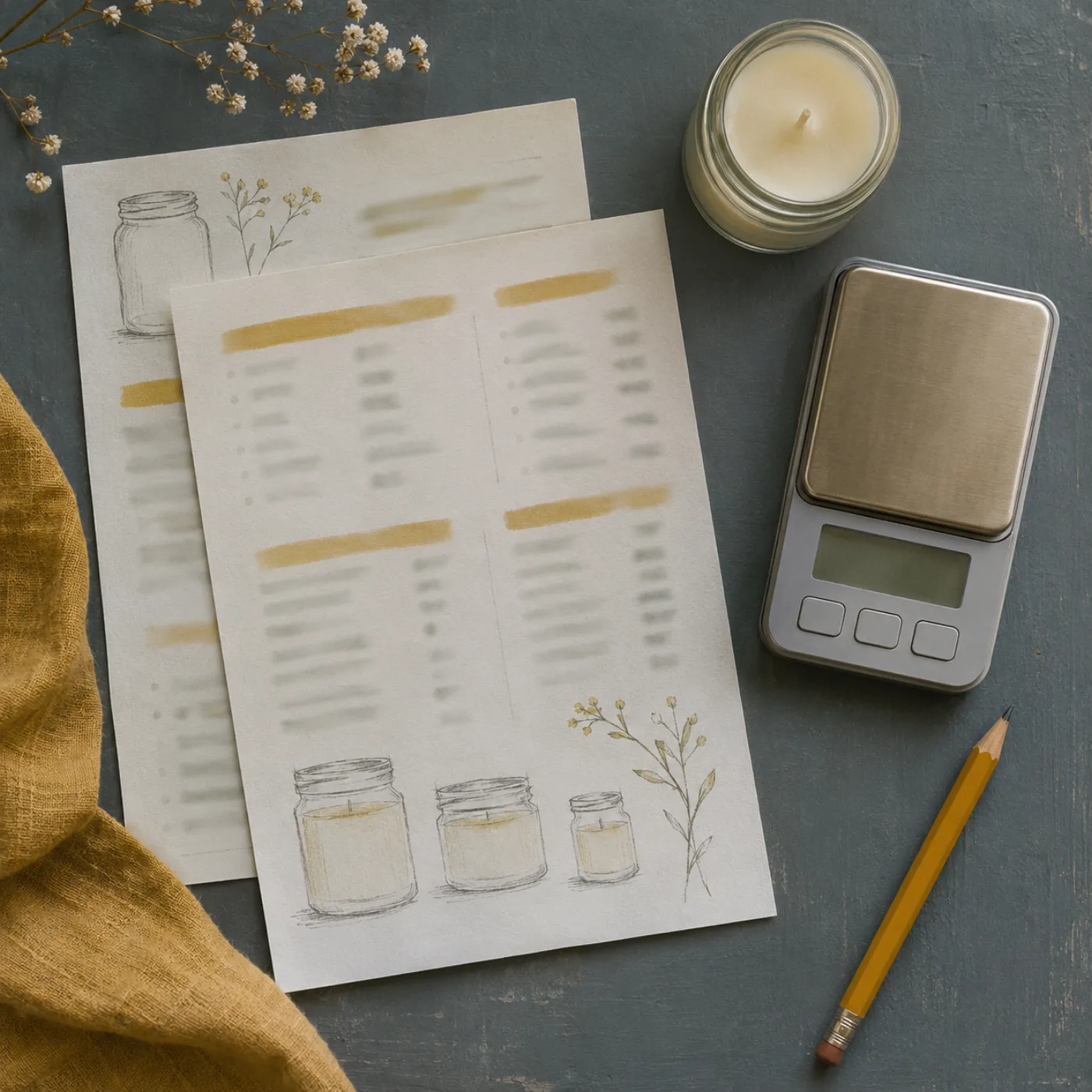
P.S. If you want a page for those notes, the Candle Batch Log has one for every pour.
One email every Friday. Unsubscribe any time.

Past issues

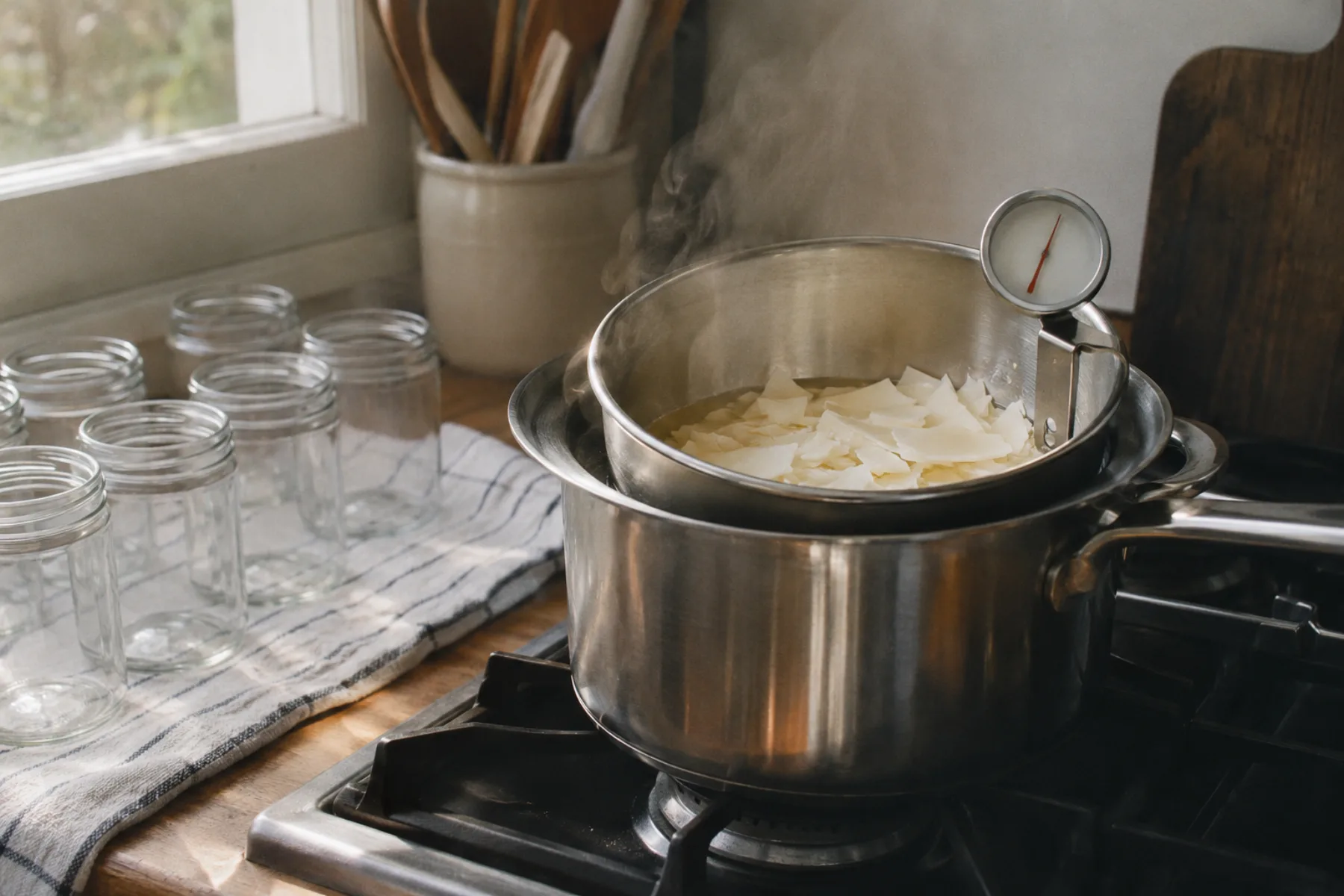
A double boiler of melting wax with a thermometer

About

About me

I started making candles at home a few winters ago because I could not find one that smelled the way I wanted. My first dozen were awful. They tunnelled, they sooted, one of them sank in the middle like a cake. I wrote down every batch, and slowly the notes turned into something useful.

Now I pour small batches most weeks and write about them every Friday. The guides and sheets I sell are the ones I use myself. The two video courses are for people who want to make a first candle that burns well, or who have made a few and want to understand why some of them go wrong.